
The Framework
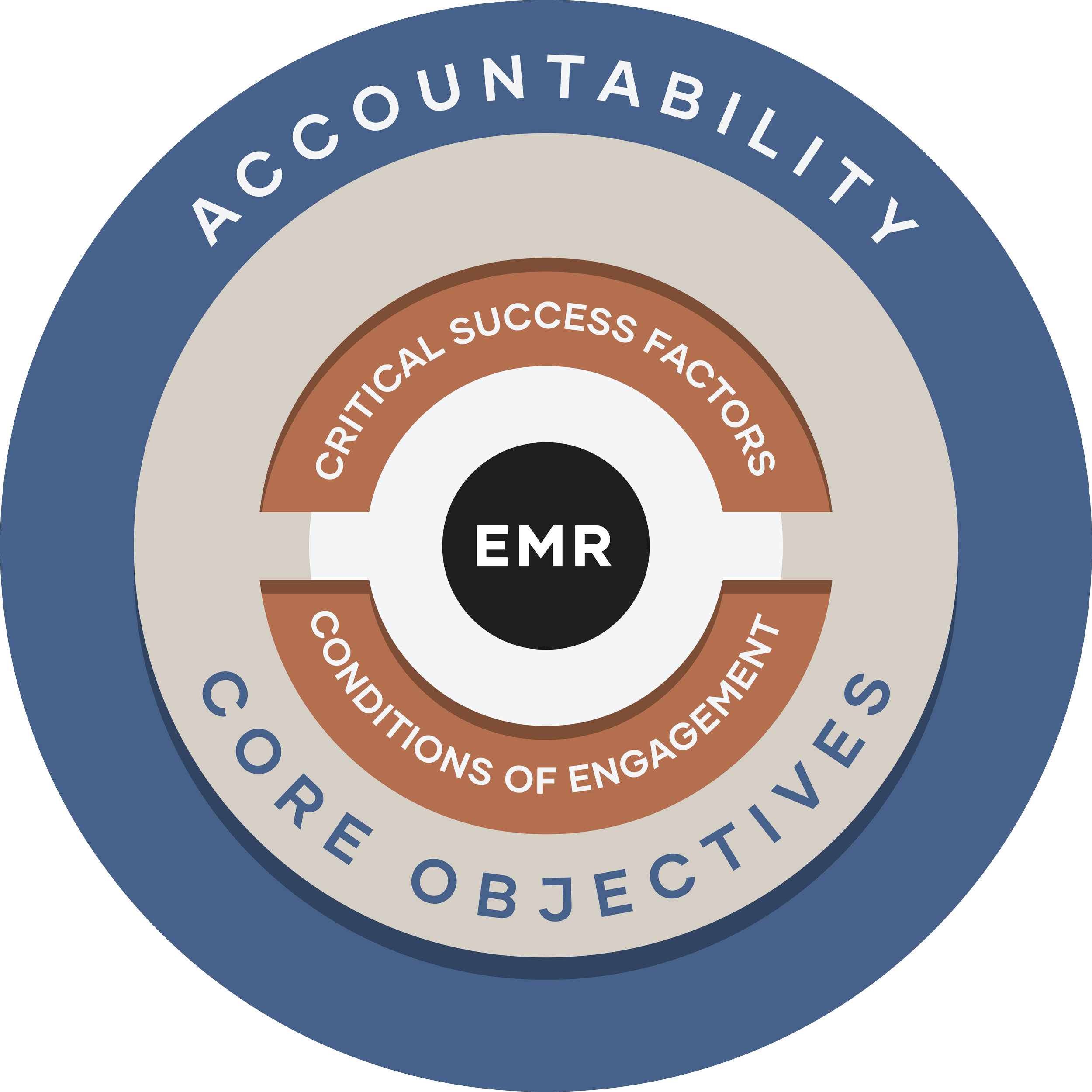
A disciplined way to think about the work of management.
Management is a distinct discipline with its own demands and its own definition of success. The Focus First Framework gives you a clear, practical way to conceptualize management and execute with confidence.
The sections that follow explain each component in detail, starting with the core: EMR.
EMR: The Core Work of Management

The work of management, regardless of team size or industry, almost always comes down to three categories of action: Equip, Measure, Respond. These three actions capture the essence of what managers do.
Managers equip their teams for success. They measure performance to understand progress and results. They respond to outcomes, reinforcing what works and addressing what does not.
This is a significant mindset shift, from predominantly reactive to predominantly proactive. Management becomes less about putting out fires and more about actively moving the work forward.
Equip. Measure. Respond. These are purposeful, driving actions that create a sense of control and direction.
Core Objectives: Defining Success

Managers need a clear definition of what success looks like. Without it, well-intentioned effort can scatter across competing priorities and urgent demands.
Core Objectives clarify the specific outcomes managers are responsible for, so effort is deliberate rather than reactive. Well-formed objectives balance the needs of the client or stakeholder, the team, and the company to guide effort more precisely.
By grounding management work in a small set of clear objectives, effort becomes more focused, intentional, and meaningful.
Strategic Points of Focus: Concentrating Effort Where it Matters Most
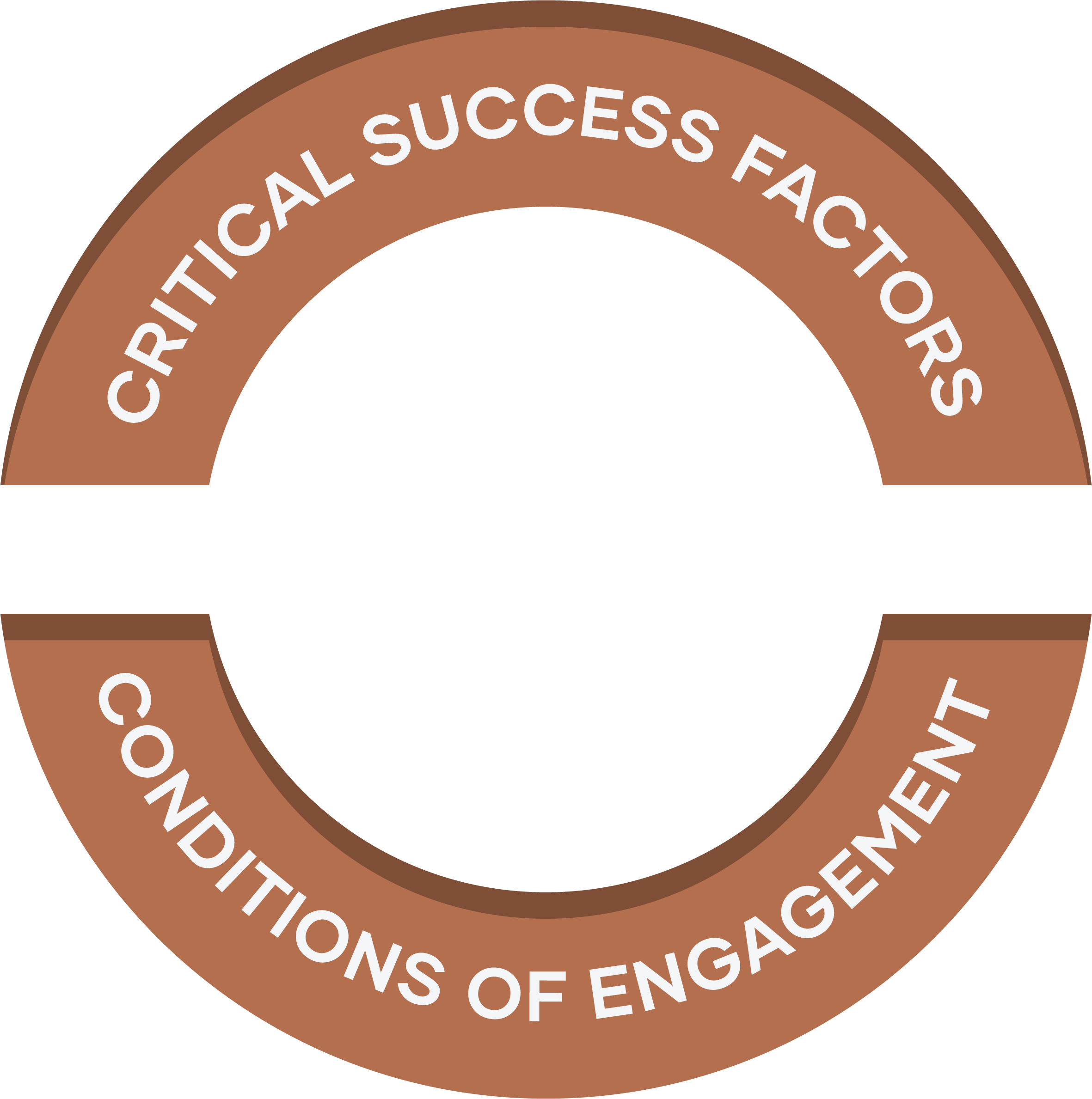
Everyone has limited capacity. Time, energy, and attention are finite, which means not everything that matters can be treated equally.
The Strategic Points of Focus direct effort to where it has the greatest impact. They identify the few areas that disproportionately influence outcomes and shape team dynamics. When these points are handled well, progress accelerates. When they are neglected, work loses direction and teams become dysfunctional.
Critical Success Factors pinpoint what must go right for objectives to be achieved. Conditions of Engagement identify the relational factors that drive people to do their best. By elevating these strategic points above everything else, managers invest deeply in the areas with the greatest influence on outcomes and put their team in the best position to succeed.
Accountability: Committing to Outcomes

Accountability is one of those words that carries a lot of weight. For some it implies consequences and pressure. For others it signals trust and shared commitment. Regardless of how you feel about the word, one thing is clear: without accountability, outcomes are left to chance.
Accountability establishes a commitment to outcomes over intention. It means regularly taking stock of results and deciding what needs to be reinforced and what needs to be corrected. Decisions become grounded in evidence, adjustments are made where needed, and progress remains steady.
Accountability keeps outcomes as the non-negotiable reference point for action. That discipline gives the work a unifying direction and clear purpose.
A Clear Way to Think About Management
The Focus First Framework is not a checklist or a set of techniques.
It is a way of thinking clearly about management.
It directs attention to the highest priorities, enables steady progress, and keeps effort focused on outcomes over activities.
Managers who approach their work this way operate with a stronger sense of confidence and control.
Ready to Put It to Work?
The Focus First Starter Kit is a simple, practical place to begin applying this way of thinking to your own work.